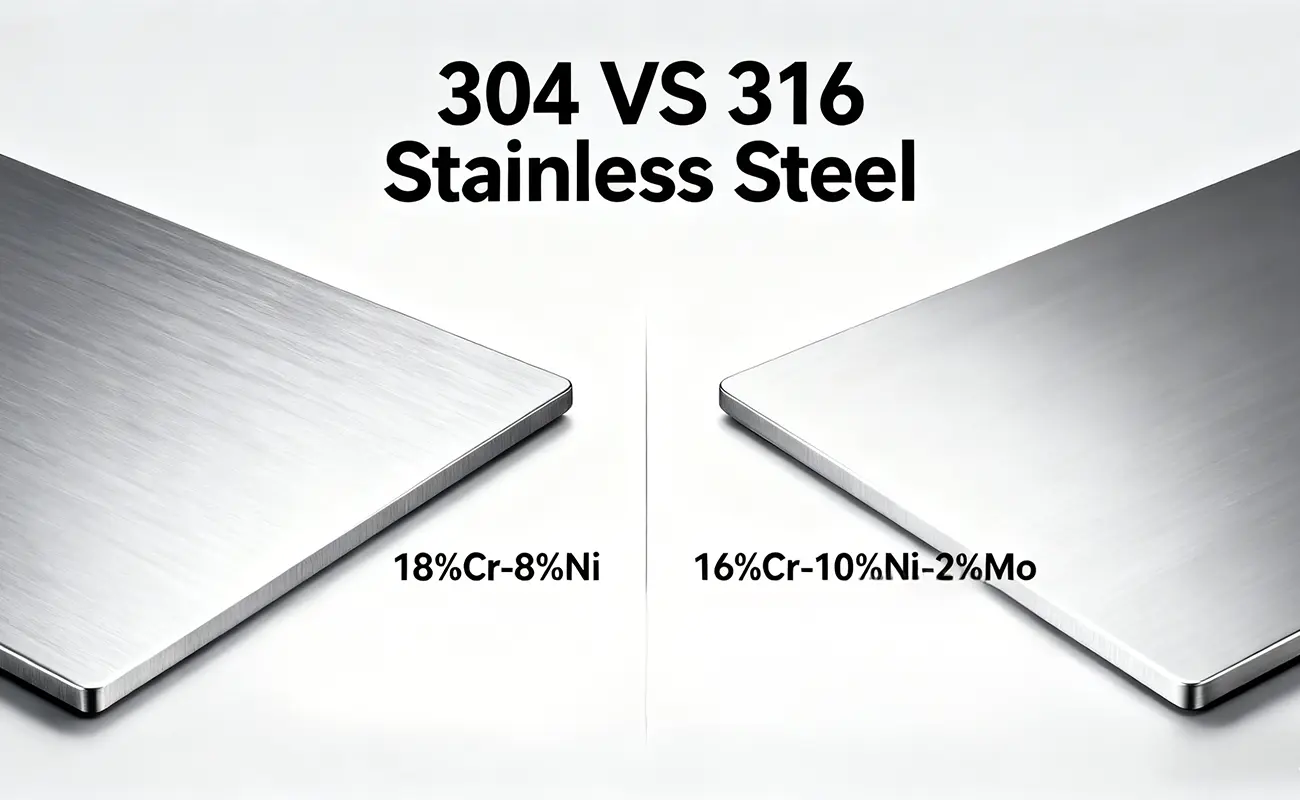
Choosing the right stainless steel for your project can be confusing. Among the most commonly used materials are 304 stainless steel and 316 stainless steel. Both are durable, resistant to rust, and widely used in construction, decoration, and industrial applications. However, they have important differences that can affect the performance, cost, and longevity of your project.
Many customers ask questions like:
In this article, we will break down the differences between 304 and 316 stainless steel, explain their advantages, disadvantages, and typical applications. We will also provide a simple guide to help you choose the right material for your stainless steel sheets and coils, saving you time and avoiding costly mistakes.
By the end, you will understand:
Whether you are working on indoor decoration, commercial projects, or industrial applications, knowing the right stainless steel type can make a big difference in quality and cost.
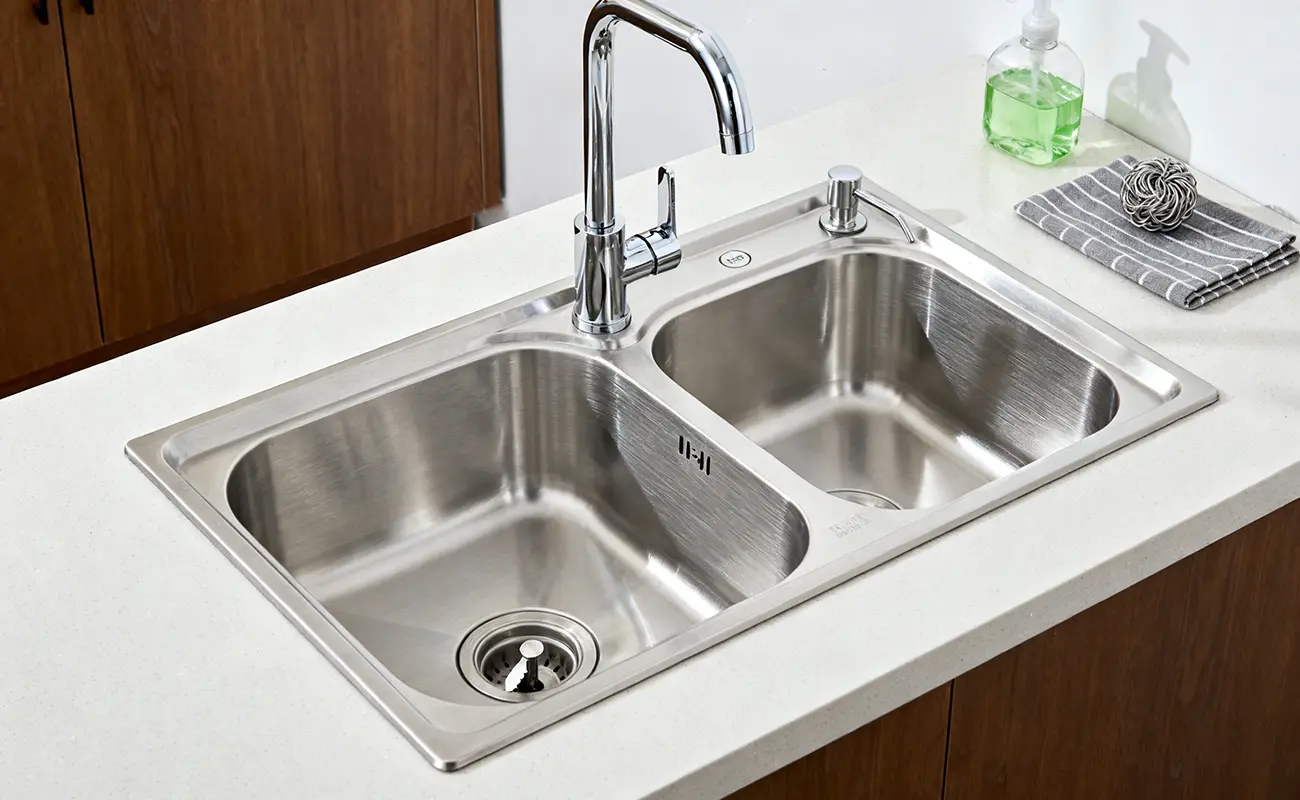
304 stainless steel is one of the most widely used stainless steel types in the world. It is known for its excellent corrosion resistance, durability, and ease of processing, making it a popular choice for both stainless steel sheets and coils in construction, decoration, and industrial projects.
304 stainless steel is made of approximately 18% chromium and 8% nickel. This combination provides a good balance of strength, corrosion resistance, and workability. It can resist rust and oxidation in most everyday environments, making it ideal for indoor use and general applications.
Key characteristics:
Good corrosion resistance in normal atmospheric and indoor conditions
High strength and durability for long-term use
Easy to cut, bend, and polish into various finishes, such as brushed, mirror, or etched surfaces
Cost-effective compared to more specialized stainless steel types
Advantages:
Versatile and widely available
Can be processed into sheets, coils, or decorative panels easily
Suitable for most indoor environments, kitchens, and light industrial use
Limitations:
Less resistant to harsh chemical exposure or high-chloride environments (e.g., coastal areas or chemical plants)
May require more maintenance if used in outdoor or highly humid conditions
304 stainless steel is commonly used in:
Indoor decoration: walls, ceiling panels, handrails
Commercial projects: shopping malls, offices, and restaurants
Light industrial use: kitchen equipment, storage tanks, and machinery parts
Because of its good corrosion resistance and versatility, 304 stainless steel is often the first choice for projects that do not face extreme environmental conditions.
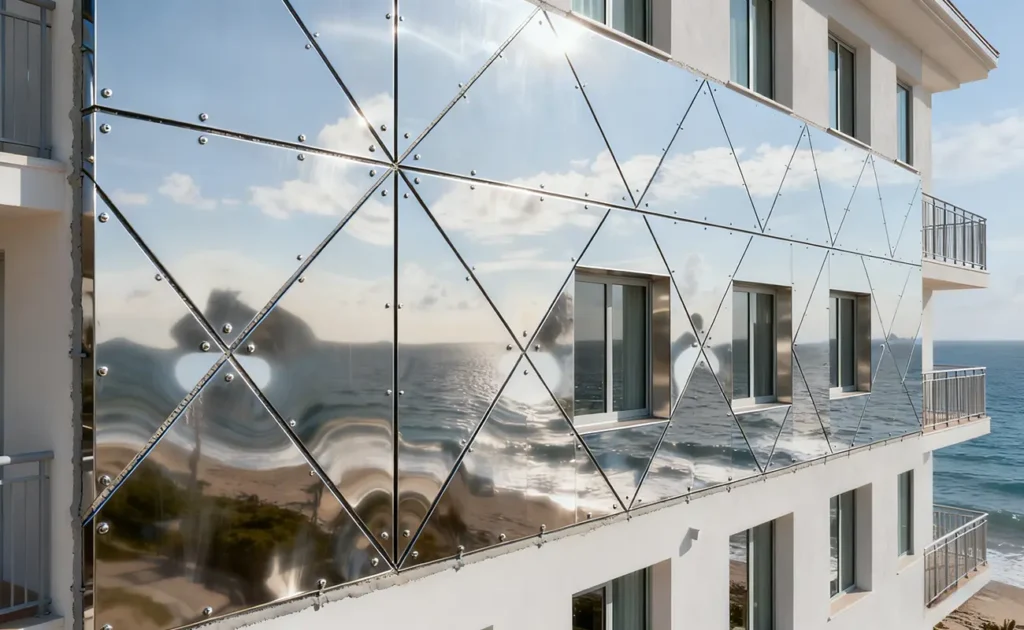
316 stainless steel is a high-performance stainless steel known for its superior corrosion resistance, especially in harsh or corrosive environments. It is often used in stainless steel sheets and coils for outdoor projects, coastal areas, chemical plants, and other demanding applications where 304 stainless steel may not perform as well.
316 stainless steel is composed of approximately 18% chromium, 10% nickel, and 2–3% molybdenum. The addition of molybdenum significantly improves resistance to chloride corrosion, making 316 ideal for environments exposed to salt, chemicals, or high humidity.
Key characteristics:
Excellent resistance to corrosion, including saltwater and chemical exposure
Strong durability for long-term outdoor use
Can be processed into sheets, coils, and various finishes, though slightly harder to work with than 304
Maintains its appearance and structural integrity in harsh environments
Advantages:
Superior corrosion resistance, especially in marine or chemical environments
Long-lasting and low maintenance
Suitable for high-end or critical applications requiring durability and safety
Limitations:
Higher cost compared to 304 stainless steel
Slightly more difficult to process and polish, but still compatible with brushed, mirror, or PVD finishes
316 stainless steel is commonly used in:
Outdoor environments: facades, handrails, and exterior panels
Coastal areas or marine projects: ports, yachts, and seaside installations
Kitchens and food processing equipment: where exposure to salt, moisture, and cleaning chemicals is frequent
Chemical and medical equipment: tanks, pipelines, and surgical tools
For projects exposed to high humidity, salty air, or aggressive chemicals, 316 stainless steel is often the preferred choice because it ensures long-term durability and reduces maintenance costs.
When choosing between 304 and 316 stainless steel, it is important to understand their differences in corrosion resistance, strength, cost, and application. The table below provides a clear comparison to help you make the right choice for your stainless steel sheets and coils.
| Feature | 304 Stainless Steel | 316 Stainless Steel |
| Corrosion Resistance | Good for indoor and general use | Excellent, especially in coastal or chemical environments |
| Durability | Strong, suitable for most applications | Very strong, ideal for harsh or outdoor conditions |
| Cost | Lower, budget-friendly | Higher, but cost-effective for long-term use |
| Typical Use | Indoor decoration, shopping malls, home interiors, kitchen equipment | Outdoor panels, marine projects, chemical equipment, coastal installations |
| Surface Treatment | Easy to polish, brushed, mirror, or etched finishes | Slightly harder to process, but compatible with brushed, mirror, and PVD finishes |
Quick Decision Guide
Use 304 stainless steel if:
Your project is indoors or in a non-corrosive environment
Budget is limited but you still want a durable, rust-resistant material
Use 316 stainless steel if:
Your project is exposed to salt, chemicals, or high humidity
Long-term durability and minimal maintenance are a priority
You are working on marine, coastal, or outdoor installations
By comparing 304 vs 316 stainless steel this way, you can quickly decide which type is most suitable for your project, whether you need stainless steel sheets for wall panels or coils for large-scale fabrication.
Choosing the right stainless steel for your project doesn’t have to be complicated. By considering environment, budget, and durability requirements, you can make an informed decision between 304 and 316 stainless steel for your sheets and coils.
Indoor Projects: For general indoor use, such as walls, ceilings, or decorative panels, 304 stainless steel is usually sufficient.
Outdoor or Coastal Projects: For areas exposed to humidity, rain, or salt air, such as facades, handrails, or seaside installations, 316 stainless steel is recommended.
Chemical or High-Corrosion Areas: Kitchens, chemical plants, or medical facilities benefit from 316 stainless steel due to its superior corrosion resistance.
304 Stainless Steel: Lower initial cost, still durable and rust-resistant for most applications.
316 Stainless Steel: Higher upfront cost, but reduces maintenance and replacement expenses over time, making it cost-effective for harsh environments.
Both 304 and 316 stainless steel sheets and coils can be finished in brushed, mirror, or PVD colors.
304 is easier to process and polish, while 316 may require slightly more care but still supports most decorative and functional finishes.
Is your project indoor or outdoor? → Indoor → 304, Outdoor/Harsh → 316
Is it exposed to salt, chemicals, or high humidity? → Yes → 316
Is budget a major concern? → Yes → 304 (if environment allows)
Do you need a high-end decorative finish? → Both can work, 316 slightly more durable
By following this simple guide, you can confidently select the right stainless steel type and avoid common issues like rust, corrosion, or excessive maintenance.
Understanding the differences between 304 and 316 stainless steel is important, but seeing real-world applications makes it even clearer. Here are some examples of how these materials are used in practical projects:
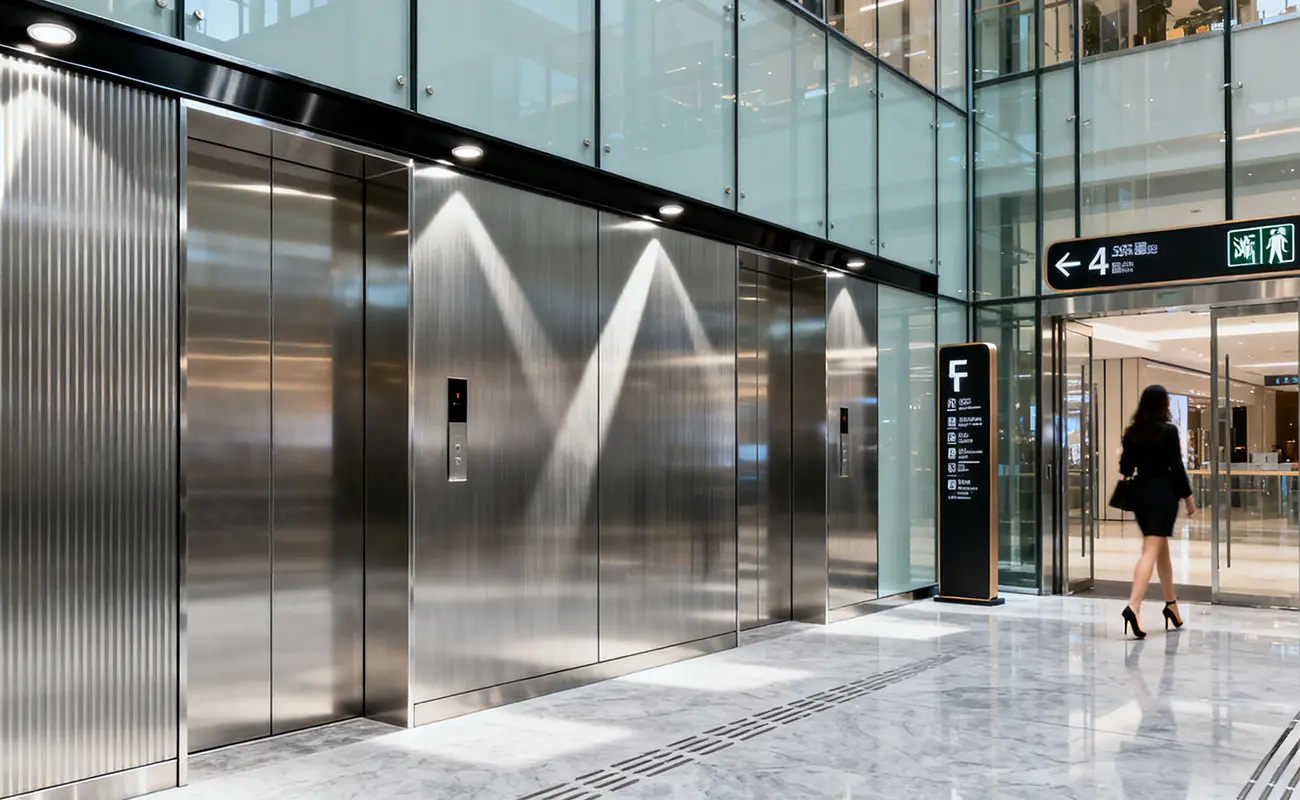
Project: Shopping mall interior renovation
Material Used: 304 stainless steel sheets with brushed finish
Reason: Indoor environment with low risk of corrosion, cost-effective, easy to process into decorative panels and handrails
Outcome: Durable, aesthetically pleasing, and low-maintenance for years
Project: Coastal hotel exterior cladding
Material Used: 316 stainless steel coils with mirror finish
Reason: Exposed to salty air and high humidity, requiring superior corrosion resistance
Outcome: Maintained a shiny, rust-free appearance despite harsh environmental conditions

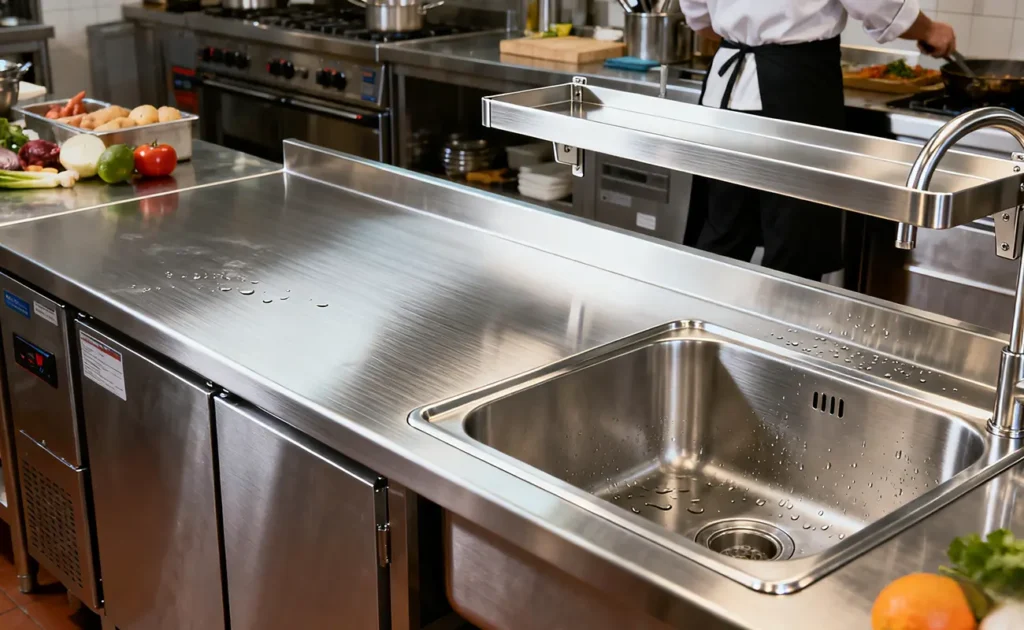
Project: Restaurant kitchen equipment
Material Used: 316 stainless steel sheets with brushed finish
Reason: Frequent exposure to water, salt, and cleaning chemicals; needed hygienic and durable material
Outcome: Equipment remained rust-free, safe, and easy to clean, reducing maintenance costs
Choosing the right stainless steel for your project can make a big difference in durability, maintenance, and cost. Here’s a quick summary of the key points:
304 Stainless Steel:
Best for indoor or general-purpose projects
Good corrosion resistance for most environments
Cost-effective and easy to process into sheets or coils
316 Stainless Steel:
Ideal for outdoor, coastal, or chemical-exposed projects
Superior corrosion resistance and long-term durability
Slightly higher cost but reduces maintenance and replacement expenses
When deciding between 304 vs 316 stainless steel, consider: environment, budget, and surface finish requirements. Using the right material ensures your project remains rust-free, low-maintenance, and visually appealing for years.
Inquiry Now