
Polishing Consistency
Look for even gloss without obvious polishing marks, cloudy areas or visible changes across the sheet.

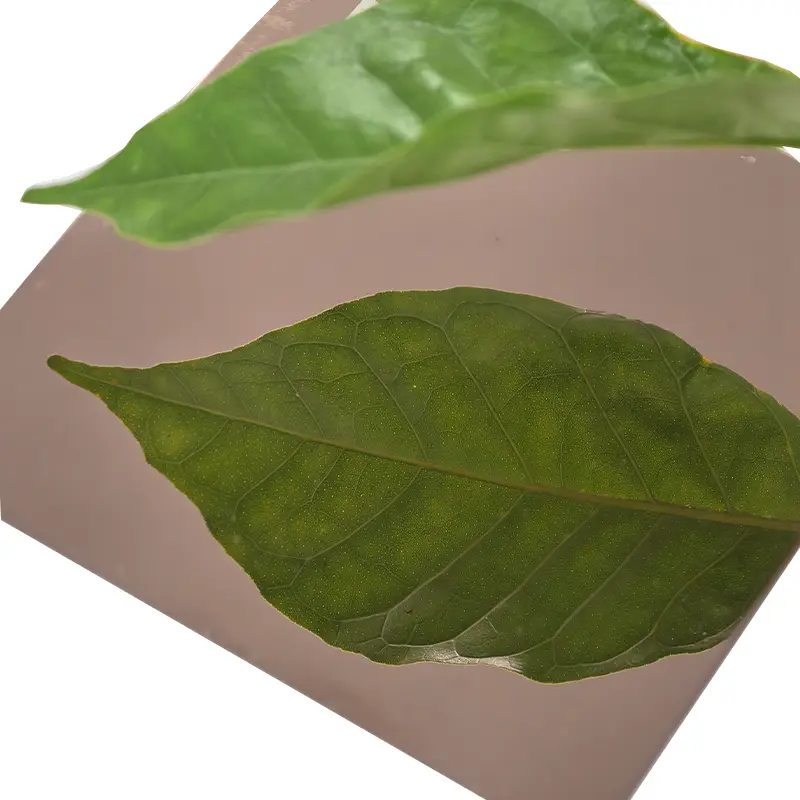
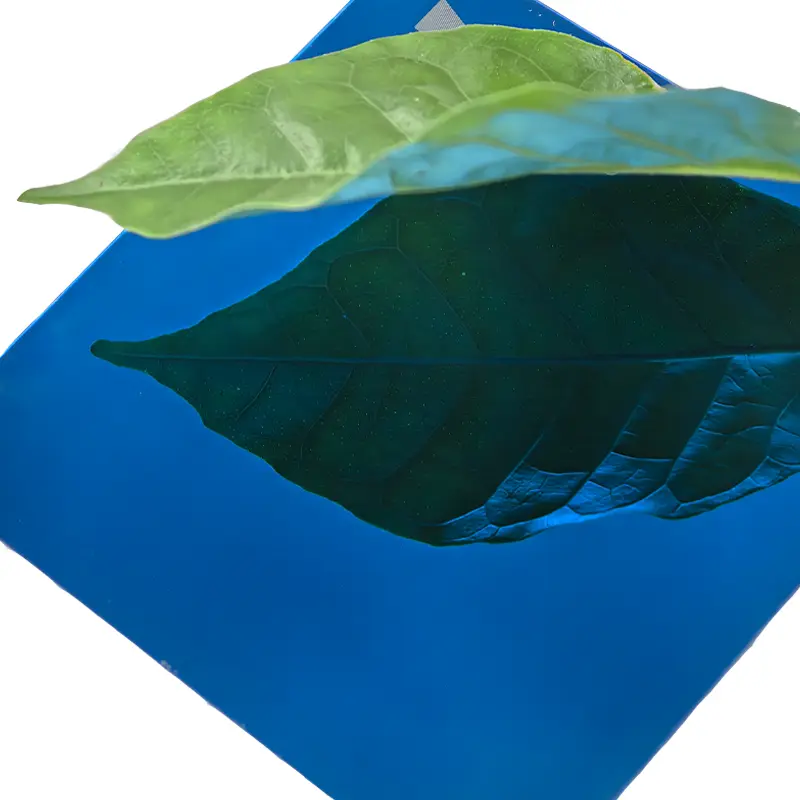

High-reflective stainless steel sheets for elevators, wall cladding, retail interiors and architectural applications, available in silver and customized PVD colors.
Mirror stainless steel combines a highly reflective metallic surface with the fabrication flexibility of stainless steel, making it suitable for elevators, wall cladding, ceilings, retail interiors and other architectural features.
For large visible panels, mirror quality should be evaluated together with surface consistency, sheet flatness and reflection distortion.
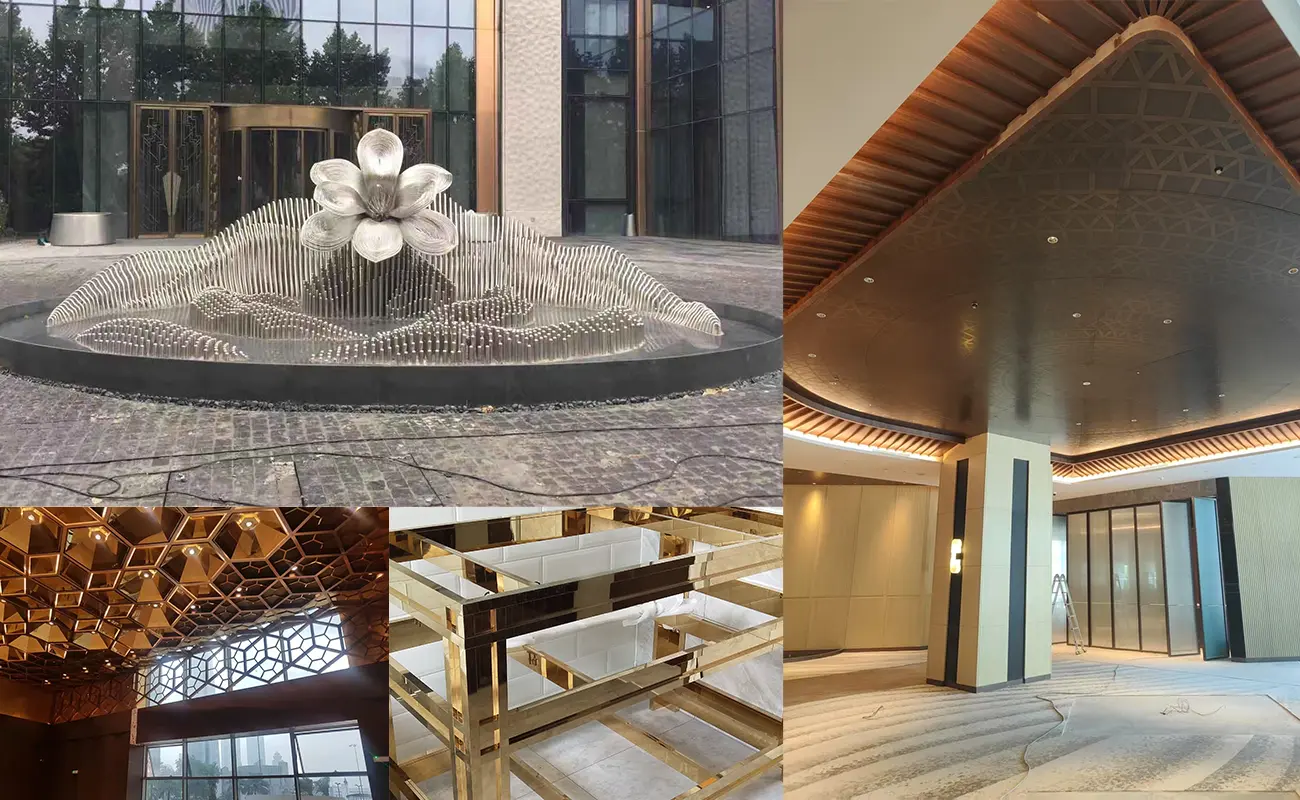
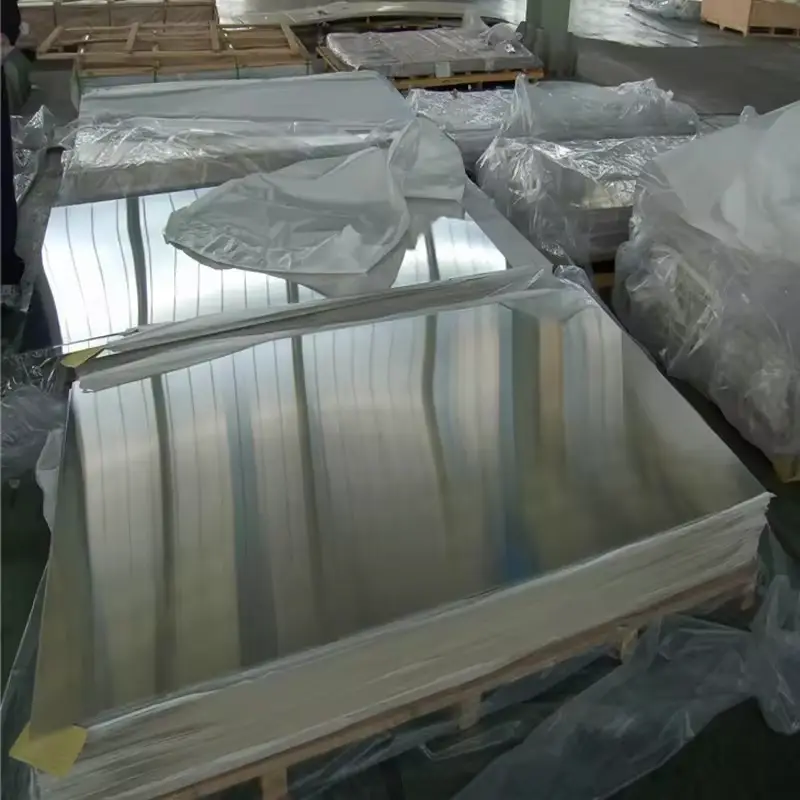
Mirror stainless steel sheet is mechanically polished to create a highly reflective, visually non-directional surface for architectural and decorative applications.
The mirror appearance is produced through progressively finer polishing and buffing of the stainless steel surface. The goal is not simply to make the sheet shiny, but to reduce visible polishing lines and create a smooth reflective surface with good image clarity.
In project specifications, you may see terms such as No.8 mirror finish, 8K mirror, Super Mirror or mirror polished stainless steel. These terms describe closely related highly reflective finishes, but the final visual quality can still vary between production processes and suppliers.
For architectural applications where reflection quality is important, the finish name should therefore be treated as a starting specification, not the only quality requirement.
Two sheets both sold as “8K mirror stainless steel” can still show different levels of image clarity, polishing marks, surface waviness or distortion. For important projects, compare the actual finished surface or approve a physical reference sample.
For architectural mirror stainless steel, final quality should be evaluated through the actual reflective surface: polishing consistency, visible defects, image clarity, sheet flatness and distortion all influence the finished appearance.
Want to see how a standard stainless steel surface is polished into a mirror finish? Our production guide explains the process from 2B stainless steel to No.8 / 8K mirror.
View the 2B to 8K ProcessMirror quality is not defined by brightness alone. Reflection clarity, polishing consistency, sheet flatness and visible surface defects all affect the finished architectural appearance.
Two sheets described as 8K or Super Mirror can still look different after installation. The actual reflective surface is therefore more important than the finish name alone.
Look for even gloss without obvious polishing marks, cloudy areas or visible changes across the sheet.
Reflected objects and straight lines should remain reasonably clear rather than blurred or visually uneven.
Large reflective panels can exaggerate sheet waviness and make reflected lines appear distorted.
Scratches, pits, orange-peel appearance and local marks are especially noticeable on highly reflective stainless steel.
For elevators, wall cladding and other large visible surfaces, reflection quality should be considered together with panel size, fabrication and installation. A physical reference sample can be used where appearance is especially important.
See how mirror polishing is produced and inspected in our 2B to 8K Mirror Stainless Steel Production Guide .
Standard and customized mirror stainless steel sheets are available for architectural, elevator, interior and fabrication projects. Final specifications can be confirmed according to your drawings, application and required mirror quality.
Grade selection depends on application, corrosion requirements and project environment.
Highly reflective polished stainless steel with final appearance confirmed according to the required quality reference.
Thickness should be selected together with sheet size, fabrication and final panel construction.
Other sheet dimensions and custom cutting can be discussed according to project requirements.
Protective film is selected according to mirror finish, fabrication and handling requirements.
Gold, black, rose gold, champagne and other PVD colors can be applied after the mirror finish is prepared.
Fabrication can be coordinated according to project drawings and finished-panel requirements.
Physical mirror samples and customized specifications can be prepared for project evaluation.
For projects where reflection clarity and surface appearance are important, a physical finished sample can be used to confirm the mirror standard before larger production. This is especially useful because terms such as 8K or Super Mirror may be interpreted differently by different suppliers.
You do not need a complicated material schedule. Send the basic information below, or simply send your drawing and project reference and we can review the specification with you.
Standard mirror stainless steel has a silver reflective surface. PVD coating can be applied after mirror polishing to create decorative gold, black, rose gold, champagne and other metallic mirror finishes.

Silver is the natural appearance of polished mirror stainless steel. It provides a highly reflective metallic surface for elevators, wall panels, ceilings, columns, retail interiors and other architectural applications.
Mirror polishing is completed first. PVD coating is then applied when a decorative metallic color is required, while retaining the reflective character of the polished stainless steel underneath.
For colored mirror projects: the final appearance depends on both the mirror surface and PVD color. Color-sensitive projects can be confirmed against an actual finished sample before larger production.
Mirror stainless steel is mainly selected where reflection, brightness and visual impact are part of the architectural design. The required sheet size, flatness and mirror quality should be considered together with the final application.
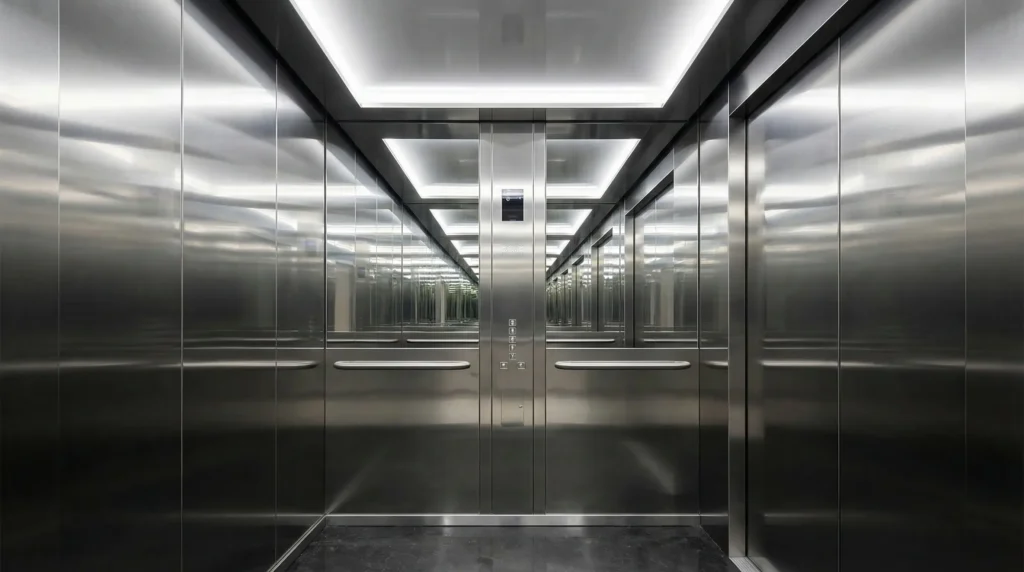
Mirror stainless steel can increase the sense of brightness and visual space inside elevator cabins. Silver mirror is commonly used for wall panels, doors, trims and selected reflective features.
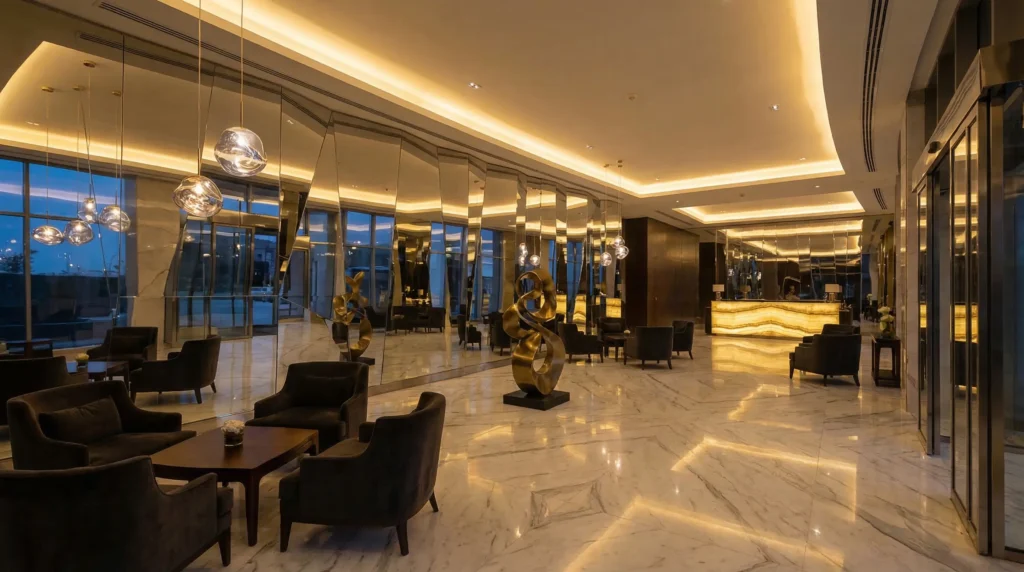
Mirror panels can be used to introduce depth, light and reflective architectural features in hotel lobbies, reception areas and other commercial interiors.
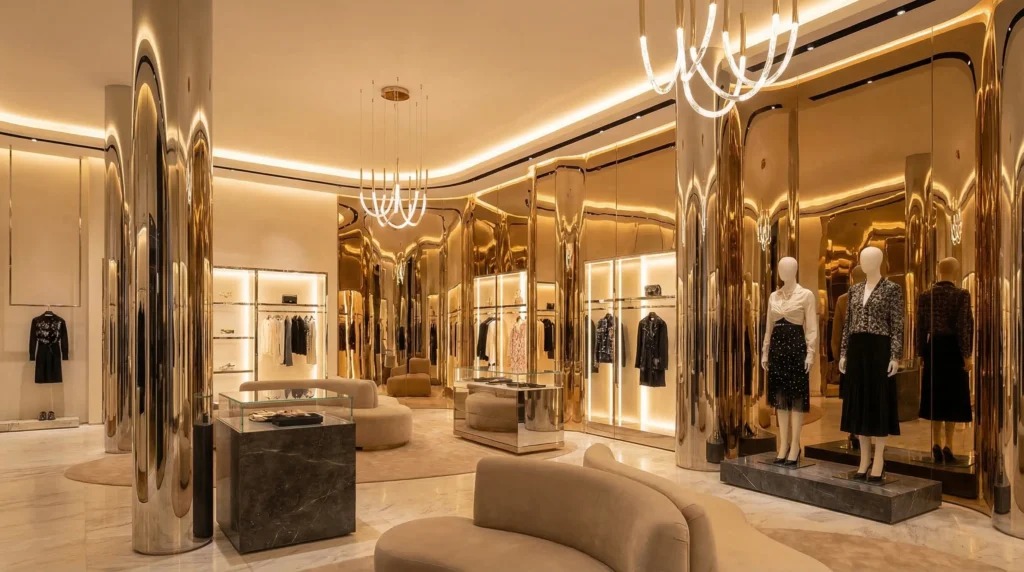
Mirror stainless steel is often used where the metal itself needs to become a visual feature. Silver or PVD-colored mirror surfaces can reflect merchandise, lighting and surrounding interior elements.
As panel size and viewing distance increase, sheet flatness and reflection distortion become more visible. For large wall, elevator or ceiling applications, confirm the mirror standard together with panel size, fabrication and installation requirements before production.
Mirror stainless steel is produced by progressively polishing and buffing the stainless steel surface until the original mill finish becomes a highly reflective, visually non-directional mirror surface.
Production line showing stainless steel processed from a standard surface toward a mirror-polished finish.
The exact polishing sequence depends on the starting surface and required mirror standard, but the commercial production logic can be summarized in four main stages.
The grade, thickness and starting sheet condition are confirmed before mirror processing begins.
Successively finer abrasives reduce the original surface texture and prepare the sheet for high-reflectivity polishing.
Fine polishing and buffing develop the smooth reflective surface associated with No.8 / 8K / Super Mirror finishes.
The finished mirror surface is checked for visible defects and appearance before suitable protective film is applied.
For colored mirror stainless steel: the mirror finish is normally completed first, followed by PVD coating to create gold, black, rose gold, champagne or other decorative metallic colors.
Our separate guide explains the polishing stages, common surface defects and quality-control points in more detail.
Both materials can create reflective architectural surfaces, but they differ in optical clarity, fabrication, breakage behavior and how they integrate into architectural components.
Glass mirror generally provides very high optical clarity, while mirror stainless steel provides a reflective metal surface that can also be cut, formed and incorporated into architectural metalwork.
Common examples include elevator panels, wall cladding, trims, retail fixtures and fabricated architectural components.
Traditional glass mirror can be the more appropriate starting point when image fidelity is the primary requirement and metal fabrication is unnecessary.
For large mirror stainless steel panels: sheet flatness and panel construction can influence reflection distortion. Review the finished material and panel concept when mirror clarity is important.
Mirror stainless steel requires more than surface polishing. Material specification, mirror appearance, sample approval, surface protection and export packing all influence the final project result.
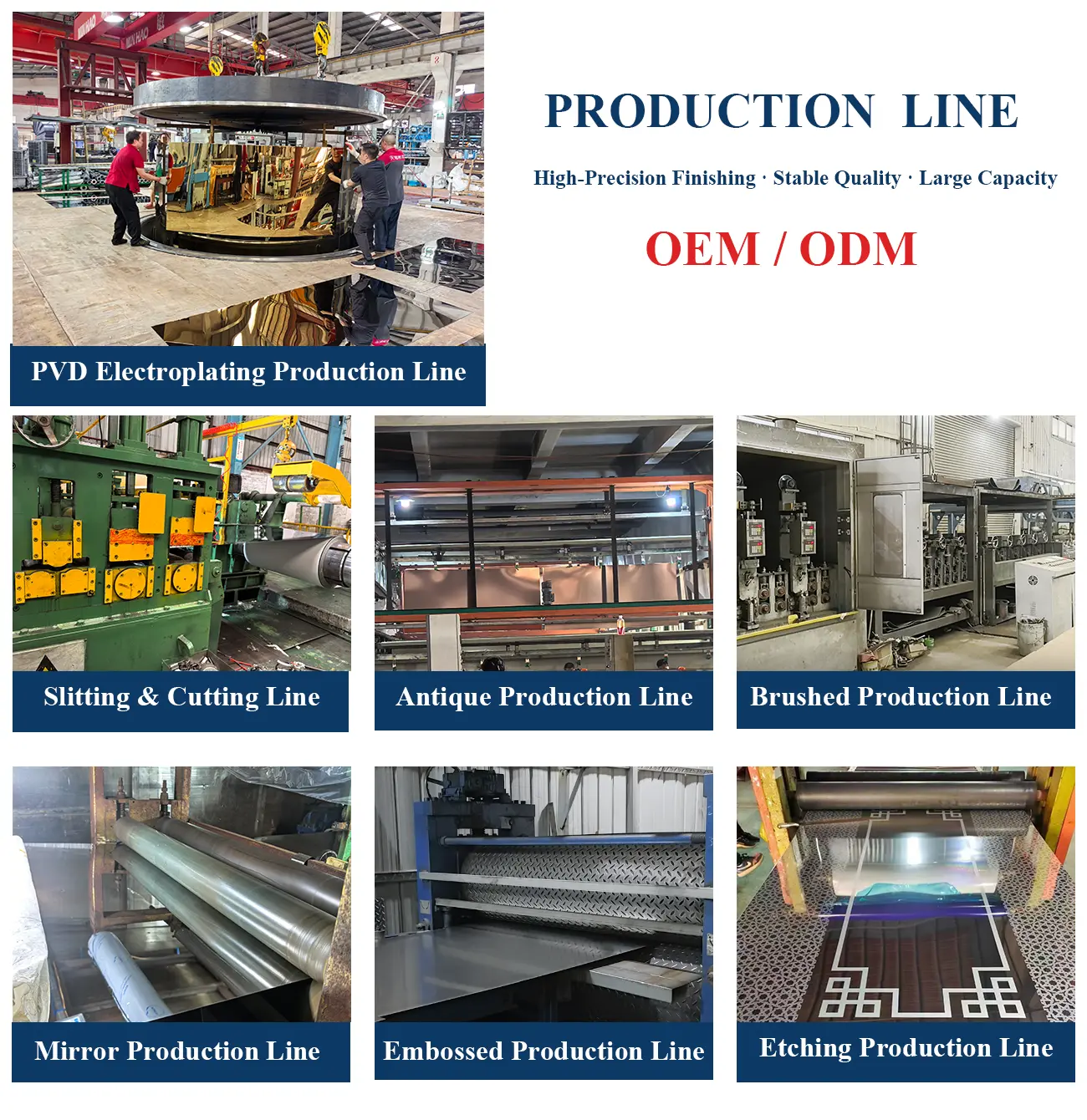
Stainless steel grade, thickness, sheet size and starting surface are confirmed before mirror polishing. Processing and fabrication requirements can also be reviewed before production.
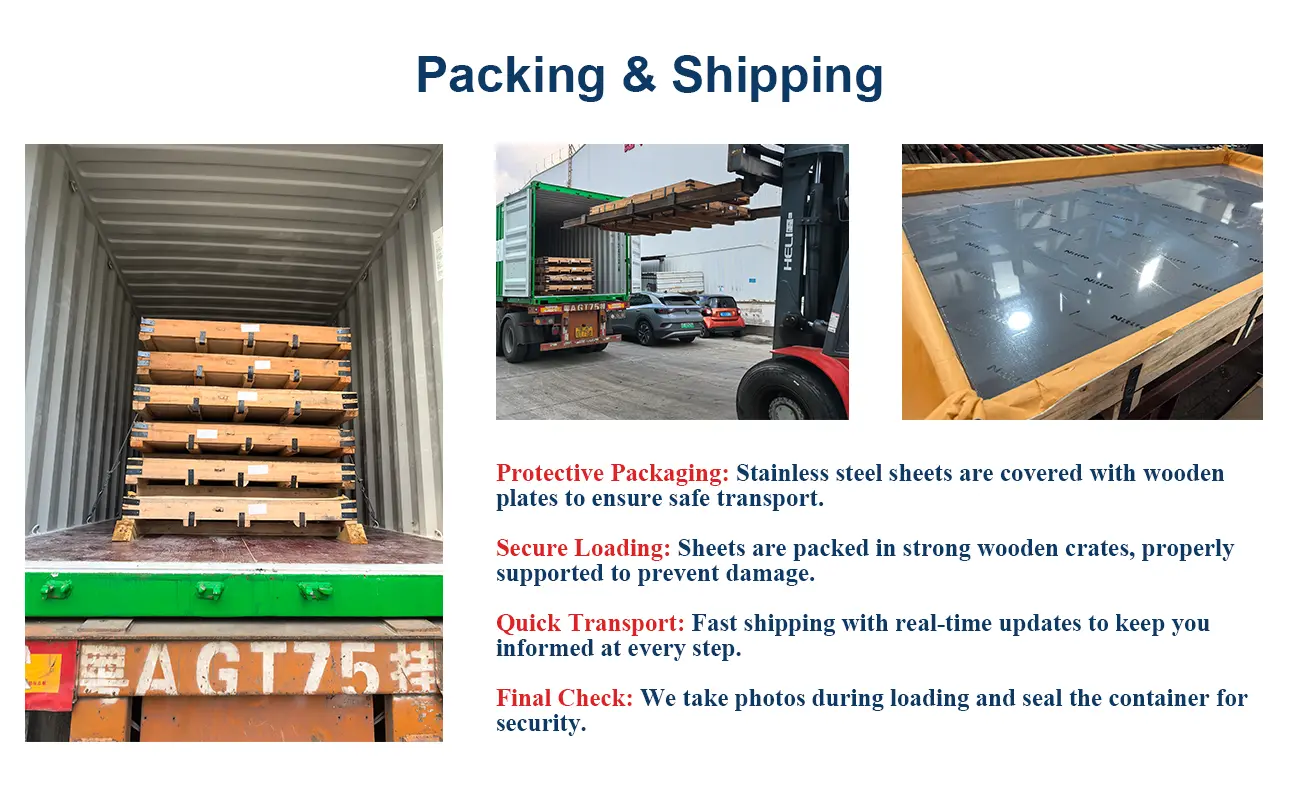
Mirror surfaces are protected before shipment to help reduce scratches and handling damage. Packing can include protective film, waterproof wrapping and wooden cases according to shipment needs.
Grade, thickness, size and mirror finish requirements are confirmed according to the order or project drawing.
Finished sheets are checked for visible polishing defects, appearance and surface consistency before protective film is applied.
A finished mirror sample can be prepared when reflection clarity or visual appearance is important to the project.
Cutting, bending, welding and other processing can be coordinated according to project drawings and finished-panel requirements.
For architectural projects where image clarity, flatness or reflection quality is visually important, approving an actual finished sample gives both sides a clearer reference than relying only on terms such as “8K” or “Super Mirror.”
Standard or project-specific
Subject to specification
Depending on processing
According to drawings
Send your required grade, thickness, size and application to request a suitable mirror finish sample.
Practical answers about grades, mirror finish terminology, fabrication, sizes, PVD colors and project supply.
Grade selection depends on the application and service environment.
They are commonly used for closely related highly reflective mirror-polished surfaces, although terminology varies between suppliers.
For visually critical projects, compare the actual finished surface rather than relying only on the term 8K, No.8 or Super Mirror.
Mirror stainless steel is not scratch-proof. Scratches, fingerprints and handling marks are usually more visible than on brushed or matte finishes.
Protective film should remain on the surface during transportation and fabrication whenever practical.
Yes. Mirror stainless steel can be laser cut, bent, welded and fabricated according to project requirements.
Fabrication should ideally be confirmed before production so that thickness, panel construction and surface protection can be reviewed together.
Yes. Mirror polishing is completed first, followed by PVD coating when a decorative color is required.
See our Gold Mirror Stainless Steel Sheet or PVD Stainless Steel Sheet pages for related options.
Yes. A physical finished sample can be used when reflection clarity, surface appearance or PVD color is important to the project.
Main factors include grade, thickness, sheet size, mirror finish, PVD color, quantity and any cutting, bending or other fabrication.
Customized colors or fabricated components generally require more production time than standard silver mirror sheets.
For an accurate quotation: send the grade, thickness, dimensions, mirror finish, quantity and any required fabrication. A drawing or reference image is useful for project-based orders.
Explore production, colored mirror finishes and related decorative stainless steel options when more technical or project-specific information is required.
See how stainless steel is progressively polished and buffed from a standard surface into a No.8 / 8K mirror finish.
View Production Guide Colored Mirror ProductExplore mirror-polished stainless steel with gold PVD coating for elevators, retail interiors and decorative architectural projects.
View Gold Mirror PVD ColorsCompare gold, champagne, black, rose gold and other PVD colors across mirror, hairline, brushed and matte stainless steel finishes.
Explore PVD Options More Surface FinishesCompare mirror, brushed, etched, hammered, bead blasted and other decorative stainless steel surfaces for architectural projects.
Explore Decorative FinishesA complete mirror stainless steel specification should confirm grade, thickness, sheet size, mirror finish, color, quantity and any fabrication requirements. For projects where reflection clarity or surface appearance is critical, approving a physical mirror sample before larger production is recommended.
Send your required grade, thickness, dimensions, mirror finish, quantity or project drawings. You can also request a physical mirror sample before confirming larger production.
Inquiry Now