Stainless steel is widely used for kitchen countertops, equipment, and work surfaces. It is strong, durable, and easy to clean.
But many people still ask one question: does stainless steel scratch easily?
The short answer is yes — stainless steel can scratch. However, how easily it scratches depends on the surface finish, how it is used, and how it is maintained.
The good news is that there are practical ways to reduce scratches and keep the surface looking clean for a long time. In this article, we will explain why scratches happen and how to prevent them.
Stainless steel is strong, but it is not scratch-proof. Like most metals, its surface can be marked when it comes into contact with harder or rough objects.
In daily use, scratches often come from kitchen tools, cleaning pads, or moving heavy items across the surface. Even small particles like sand or dirt can cause fine scratches when rubbed against the steel.
Another important factor is the surface finish. Smooth and reflective finishes, such as mirror polish, tend to show scratches more clearly. Textured finishes, like brushed stainless steel, can help reduce the visibility of small scratches.
So while stainless steel does not scratch easily compared to many other materials, it can still develop surface marks over time, especially in high-use environments like kitchen countertops.
Not all stainless steel surfaces perform the same. The level of scratch resistance depends mainly on the surface finish, not just the material itself.
Some finishes are designed to reduce how visible scratches are in daily use.
Brushed stainless steel is one of the most common options. Its directional texture helps hide small scratches and wear marks, which makes it a popular choice for kitchen countertops and work surfaces.
Embossed or textured finishes can offer even better performance in busy environments. The uneven surface helps spread contact marks, so scratches are less noticeable.
Matte finishes, such as sand-blasted surfaces, also reduce reflection. This makes light scratches harder to see compared to highly polished surfaces.
On the other hand, mirror or highly polished stainless steel tends to show scratches more clearly. While it looks clean at the beginning, it may require more maintenance over time.
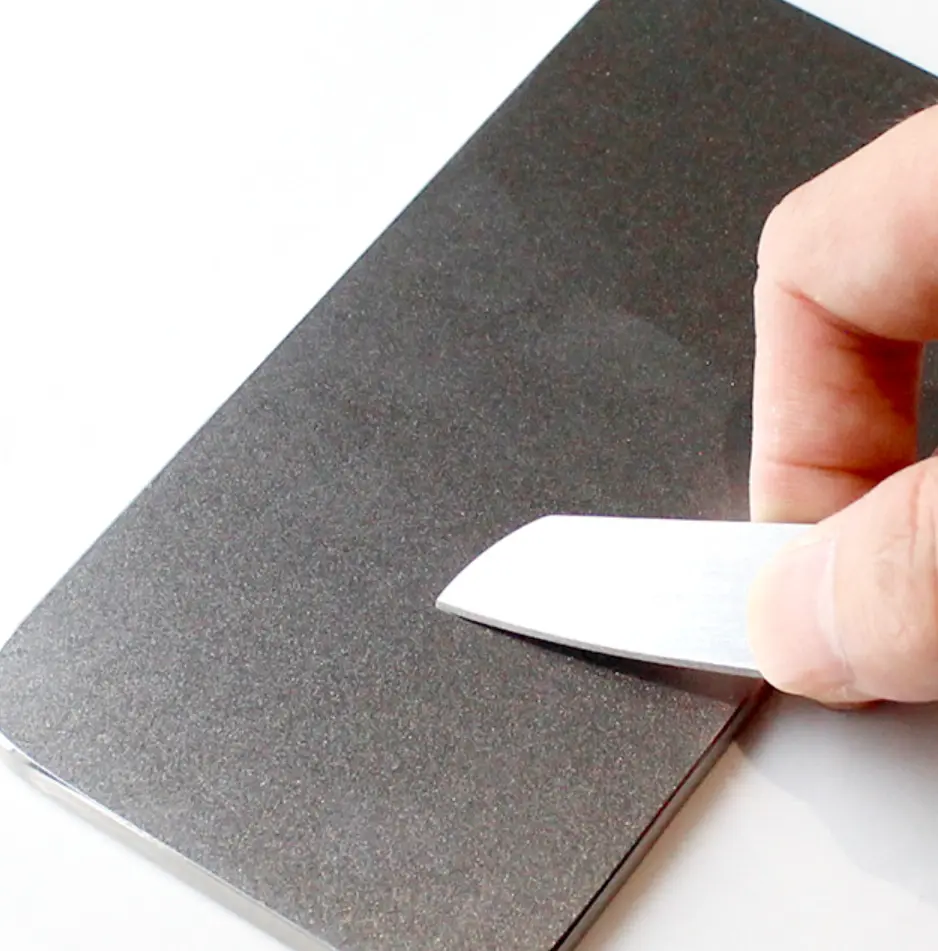
Although scratches cannot be completely avoided, there are several simple ways to reduce them in daily use.
First, it is important to use the right cleaning tools. Soft cloths and non-abrasive pads are recommended. Avoid using steel wool or rough scrubbers, as they can damage the surface.
Second, try to keep the surface clean from dust or sand. Small particles can act like abrasives and cause fine scratches when moved across the surface.
Third, avoid dragging heavy or sharp objects directly on the countertop. Lifting items instead of sliding them can help protect the surface.
Finally, choosing the right surface finish makes a big difference. Textured and treated surfaces, such as brushed or anti-fingerprint stainless steel, can reduce the visibility of scratches and improve long-term performance.
For high-use environments like commercial kitchens, selecting a scratch resistant stainless steel surface is often the most effective solution.
For environments where stainless steel is used frequently, small scratches can quickly become visible and affect the overall appearance.
In these cases, standard finishes may not be enough to maintain a clean surface over time.
A more effective option is to use anti-scratch or scratch resistant stainless steel. These surfaces are designed with special treatments or textures that help reduce visible wear and improve durability.
Compared with regular stainless steel, they offer better performance in busy environments such as commercial kitchens and food preparation areas.
For example, using anti-scratch stainless steel for kitchen countertops can help maintain a consistent look, reduce maintenance work, and extend the service life of the surface.
👉 You can learn more about anti-scratch stainless steel countertop sheets for different kitchen applications and customization options.
Yes, stainless steel is still one of the most practical materials for kitchen countertops.
It is strong, hygienic, and easy to clean, which is why it is widely used in both commercial kitchens and modern homes.
However, like any material, its performance depends on how it is selected and used. Standard stainless steel may show scratches over time, especially in high-use environments.
By choosing the right surface finish or using scratch resistant stainless steel, it is possible to improve durability and maintain a cleaner appearance for longer.
For many projects, stainless steel remains a reliable and long-lasting solution when the right type is applied.
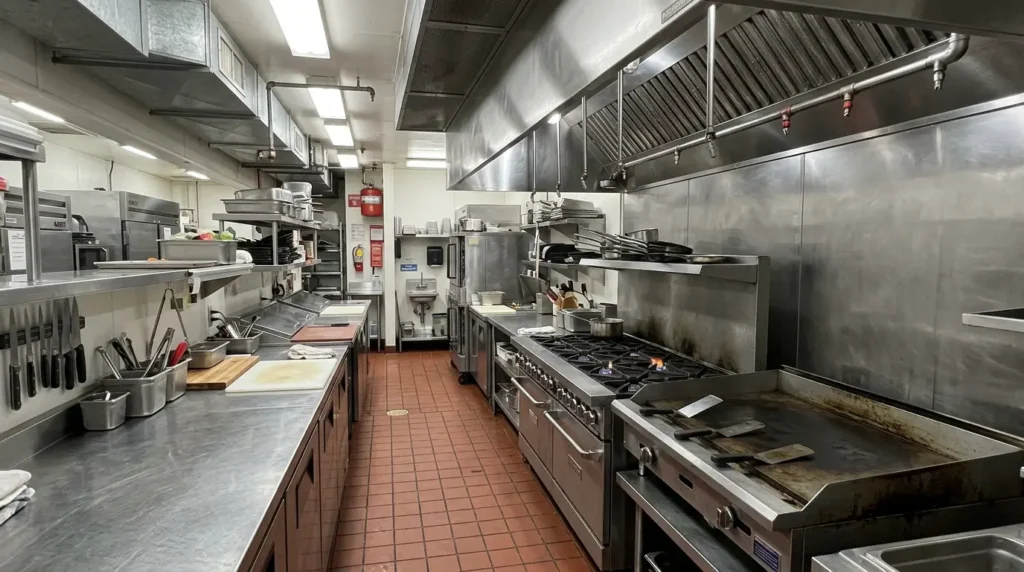
Stainless steel can scratch, especially with daily use in kitchen environments. This is a normal characteristic of the material.
However, scratches can be reduced by using proper cleaning methods, avoiding rough contact, and choosing the right surface finish.
For applications that require better durability and appearance, anti-scratch stainless steel provides a more practical solution.
👉 Learn more about scratch resistant stainless steel countertop sheets for long-term kitchen use.
Yes, stainless steel can scratch, especially with regular use. However, the visibility of scratches depends on the surface finish and how the material is maintained.
You can reduce scratches by using soft cleaning tools, avoiding abrasive materials, keeping the surface clean, and choosing scratch resistant finishes.
Brushed, embossed, and other textured finishes are better at hiding scratches compared to smooth or mirror-polished surfaces.
Brushed stainless steel is not completely scratch-proof, but it helps reduce the visibility of small scratches due to its surface texture.
Inquiry Now