1. Introduction
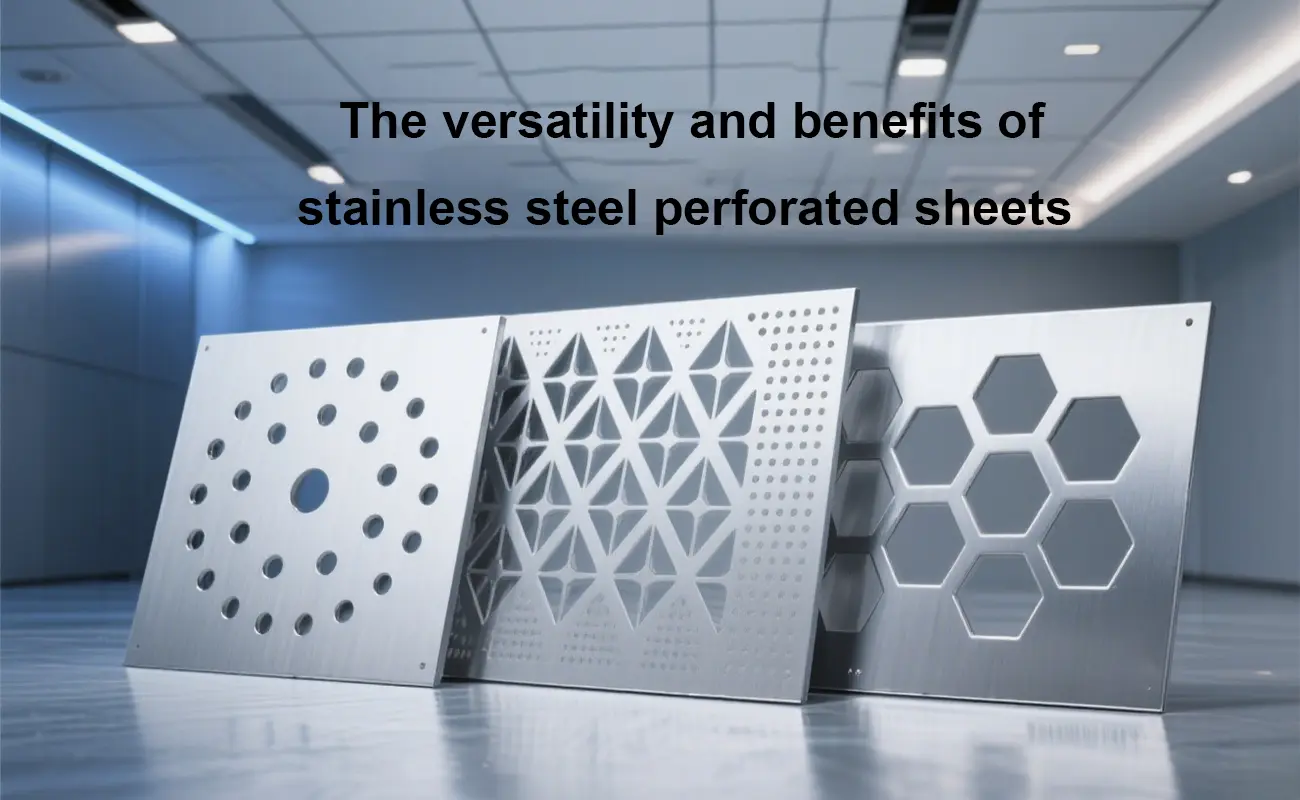
A Stainless Steel Perforated Sheet is a versatile and widely used material known for its durability, strength, and modern appearance. Characterized by evenly spaced holes or decorative patterns, it combines functionality with aesthetic appeal, making it an essential component in numerous industries.
From architectural designs such as facades and ceilings, to industrial applications like filtration, ventilation, and protective coverings, stainless steel perforated sheets offer solutions that are both practical and visually appealing. Their resistance to corrosion and ease of customization further enhance their value in construction, manufacturing, and decorative projects, positioning them as a go-to choice for professionals worldwide.
2. What is a Stainless Steel Perforated Sheet?
A stainless steel perforated sheet is a flat sheet of stainless steel that has been mechanically punched or stamped with a series of holes or patterns. It is manufactured from high-quality stainless steel grades such as 304, 316, or 430, ensuring excellent resistance to rust and corrosion. These sheets are available in a wide range of thicknesses, hole diameters, and open areas, making them adaptable for different industrial and decorative purposes.
Common Hole Patterns
Stainless steel perforated sheets can be produced with various hole shapes to meet specific functional or aesthetic requirements:
Round holes – the most common and versatile option, suitable for ventilation, filtration, and general applications.
Square holes – often used for modern architectural designs and decorative projects.
Slotted (oblong) holes – ideal for applications requiring higher open areas and directional strength.
Custom patterns – including hexagonal, decorative, or logo-based designs tailored for branding or unique projects.
Perforated Metal Sheet vs. Stainless Steel Perforated Sheet
While the term perforated metal sheet broadly refers to any perforated material made from metals like aluminum, copper, carbon steel, or stainless steel, a stainless steel perforated sheet specifically highlights the superior durability and corrosion resistance of stainless steel. Compared to mild steel or aluminum, stainless steel options are better suited for environments that require long-lasting performance, resistance to moisture, and structural strength, such as outdoor facades, marine industries, and food processing equipment.
3. Benefits of Stainless Steel Perforated Sheets
Durability & Corrosion Resistance
One of the greatest advantages of a stainless steel perforated sheet is its exceptional strength and resistance to corrosion. Manufactured from high-grade stainless steel such as 304 or 316, these sheets are designed to withstand moisture, chemicals, and harsh environments. This makes them a long-lasting solution for both indoor and outdoor applications, ensuring performance even under demanding industrial conditions.
Aesthetic Appeal
Beyond functionality, stainless steel perforated sheets are also valued for their modern and stylish appearance. The clean metallic surface, combined with customizable hole patterns, adds a decorative element to architecture, facades, ceilings, and interior design projects. Their sleek design provides both practicality and beauty, making them popular in commercial buildings, furniture, and decorative panels.
Ventilation & Filtration
The evenly distributed holes in a perforated stainless steel sheet allow for effective airflow, light diffusion, and liquid filtration. This feature makes them suitable for HVAC systems, speaker grills, protective screens, and industrial filtration equipment. By balancing open area with structural strength, these sheets serve as an efficient solution in a wide range of ventilation and filtration applications.
Weight Reduction without Compromising Strength
A stainless steel perforated sheet provides a unique advantage of being lightweight yet strong. The perforations reduce the overall weight of the sheet without sacrificing its load-bearing capacity. This makes transportation and installation easier while still maintaining durability, making it ideal for automotive, aerospace, and construction projects.
Sustainability & Recyclability
Stainless steel is a fully recyclable and environmentally friendly material, contributing to sustainable construction and manufacturing practices. Using perforated stainless steel sheets reduces material waste while offering long service life, making them an eco-conscious choice for industries aiming to minimize environmental impact.
4. Common Applications of Stainless Steel Perforated Sheets
Architecture & Interior Design
Facades and Exterior Panels – Stainless steel perforated sheets are widely used in modern building exteriors for aesthetic appeal and ventilation.
Ceilings and Wall Cladding – Ideal for commercial spaces, shopping malls, and office interiors, offering both decorative and functional benefits.
Decorative Panels – Customized perforation patterns allow for unique visual designs in interior spaces.
Industrial Applications
Filtration and Screening – Used in water treatment, chemical processing, and other industrial filtration systems.
Ventilation Systems – Provides airflow while maintaining structural integrity, suitable for HVAC and exhaust applications.
Protective Screens and Guards – Ensures safety while allowing visibility and airflow in machinery and equipment.
Automotive & Transportation
Protective Covers – Perforated sheets are used for engine covers, protective grilles, and panels in vehicles.
Heat Dissipation – The perforations allow for efficient cooling of components in automotive and transportation applications.
Agricultural & Food Processing
Separation and Sieving – Helps in sorting grains, seeds, and other agricultural products efficiently.
Cleaning and Filtering – Used in food processing equipment for washing, draining, and filtering.
Furniture & Design
Chairs, Tables, and Shelving – Adds both durability and modern style to furniture.
Decorative Elements – Customized perforations can enhance the aesthetic value of interior furnishings.
5. Stainless Steel Grades and Specifications
Common Stainless Steel Grades
Stainless steel perforated sheets are available in various grades, each offering unique properties suited for different applications:
304 Stainless Steel – The most widely used grade, offering excellent corrosion resistance, strength, and durability. Ideal for architectural panels, decorative projects, and indoor applications.
316 Stainless Steel – Known for superior corrosion resistance, especially in marine and chemical environments. Perfect for outdoor installations or industrial filtration systems exposed to harsh conditions.
430 Stainless Steel – Magnetic and moderately corrosion-resistant, suitable for indoor decorative panels and furniture applications.
Thickness and Dimensions
Thickness – Stainless steel perforated sheets are produced in a wide range of thicknesses, typically from 0.5 mm to 6 mm or more, depending on structural requirements.
Dimensions – Standard sheet sizes include 1000×2000 mm, 1219×2438 mm, and custom dimensions based on project needs.
Hole Diameter and Open Area
Hole Diameter – Ranges from 1 mm to over 50 mm, with common shapes such as round, square, slotted, or custom patterns.
Open Area – Defined as the percentage of perforation relative to the total sheet area; it affects airflow, light passage, and weight reduction. Typical open areas range from 10% to 50% or more.
Choosing the Right Stainless Steel Perforated Sheet
When selecting a stainless steel perforated sheet, consider:
Application Requirements – For corrosion resistance, outdoor exposure, or heavy-duty industrial use, choose 304 or 316 stainless steel.
Hole Pattern and Size – Match the perforation type to the functional need, whether ventilation, filtration, or aesthetic design.
Thickness and Open Area – Balance structural strength with weight reduction and airflow efficiency.
Surface Finish – Options include polished, brushed, or matte finishes depending on visual and functional requirements.
6. Buying Guide: How to Choose the Right Stainless Steel Perforated Sheet
Selecting the right stainless steel perforated sheet is crucial to ensure both functional performance and aesthetic appeal. Here are key considerations for buyers:
1. Determine the Application
Identify the main purpose: ventilation, filtration, architectural design, or decorative use.
Industrial applications may require higher-grade stainless steel (e.g., 316) for enhanced corrosion resistance, while interior design projects may focus on aesthetics and surface finish.
2. Choose the Appropriate Stainless Steel Grade
304 Stainless Steel: Suitable for most general applications, offering durability and corrosion resistance.
316 Stainless Steel: Ideal for outdoor or marine environments where higher corrosion resistance is needed.
430 Stainless Steel: Best for indoor decorative panels or furniture.
3. Select the Right Hole Pattern and Open Area
Hole Pattern: Round, square, slotted, or custom designs depending on functional or decorative needs.
Open Area: Higher open areas improve airflow and reduce weight, while lower open areas offer more strength and privacy.
4. Determine Thickness and Sheet Size
Thicker sheets provide higher load-bearing capacity and durability.
Standard sheet sizes are available, but custom sizes can be manufactured to fit specific project requirements.
5. Consider Surface Finish
Polished or brushed finishes enhance visual appeal for architectural or interior applications.
Matte or functional finishes may be preferred for industrial uses where aesthetics are less critical.
6. Evaluate Supplier and Quality
Choose a reliable supplier with experience in stainless steel perforated sheet manufacturing.
Verify compliance with industry standards and certifications to ensure product quality and longevity.
7. Budget and Cost Efficiency
Balance between material quality, customization options, and budget constraints.
Consider long-term durability and maintenance costs, not just initial price.
7. Conclusion
In conclusion, a stainless steel perforated sheet is a versatile and durable material that serves a wide range of applications across architecture, industrial, automotive, agricultural, and decorative sectors. Its corrosion resistance, aesthetic appeal, ventilation capabilities, weight reduction, and sustainability make it a preferred choice for professionals and businesses alike.
8. FAQ Section
Q1: What is a stainless steel perforated sheet?
A stainless steel perforated sheet is a flat sheet of stainless steel punched with holes or patterns for functional and decorative purposes. It is known for its durability, corrosion resistance, and versatility.
Q2: Can stainless steel perforated sheets be customized?
Yes, they can be customized in terms of hole size, shape, pattern, thickness, and surface finish to meet specific project requirements.
Q3: What are the common uses of perforated metal sheets?
Perforated metal sheets, especially stainless steel ones, are widely used in architectural facades, interior design, filtration, ventilation, automotive components, and furniture design.
Q4: How does a stainless steel perforated sheet compare to other metal sheets?
Compared to carbon steel or aluminum sheets, stainless steel perforated sheets offer superior corrosion resistance, strength, and aesthetic appeal, making them suitable for harsh environments and long-term applications.
Q5: Are stainless steel perforated sheets rust-resistant?
Yes, stainless steel perforated sheets made from grades like 304 and 316 are highly resistant to rust and corrosion, suitable for both indoor and outdoor applications.